
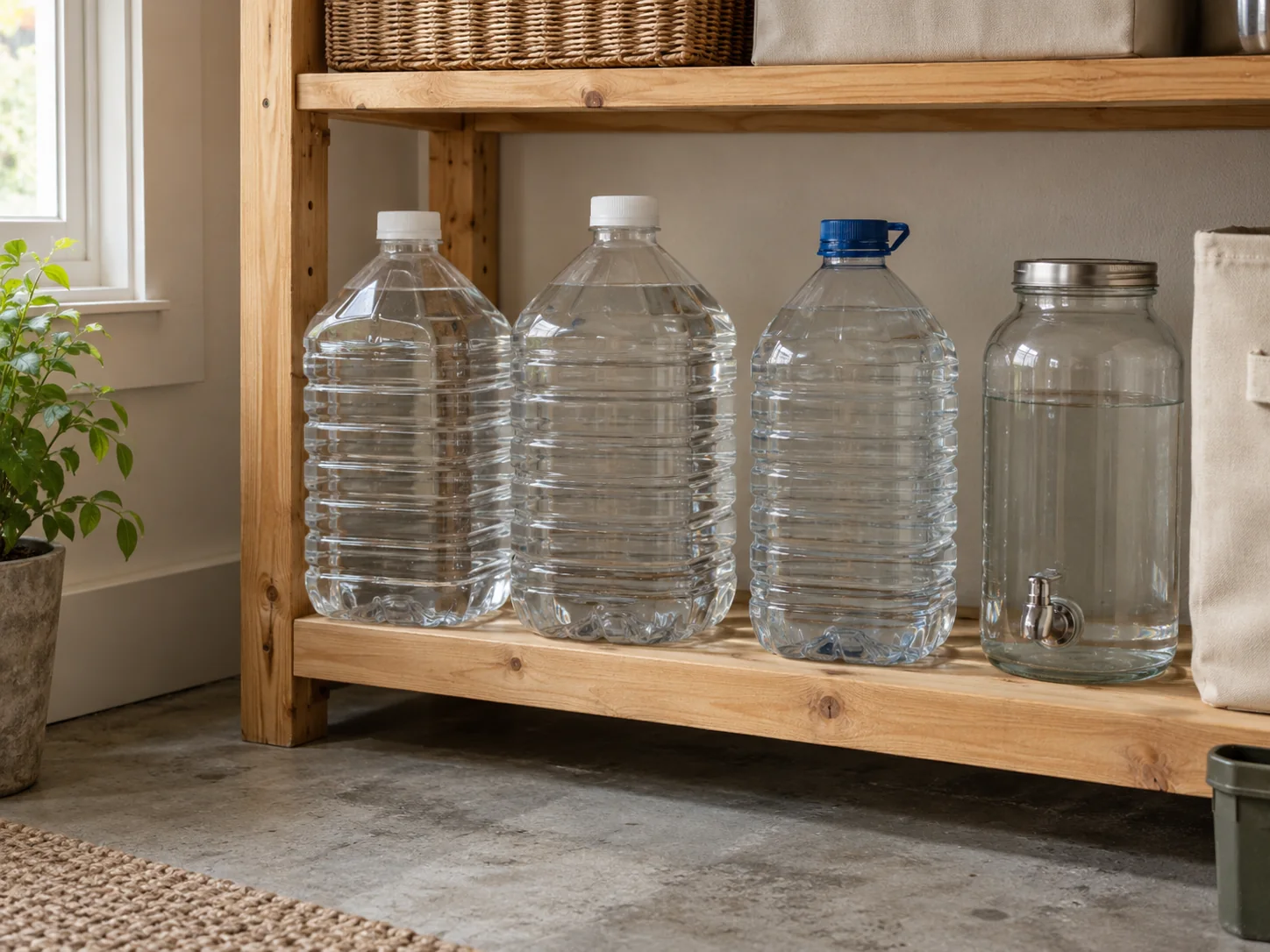
Water planning starts with the uses that keep your household going, not with a number copied from someone else's list. Count drinking, cooking, brushing teeth, medicines, food preparation, hand cleaning, and the needs of children, older adults, people who are ill, and pets. Then decide where water can be stored, who can reach it, how it will be checked, and which local notice would change the plan. CDC uses one gallon per person per day as a starting point for a three-day supply, with a two-week supply if possible and more for some households and hot climates. That is a planning baseline, not a promise that one amount fits every home.
Start with how your household uses water
Write down ordinary uses before you shop or fill a container. A household may use water for drinking and cooking, but it may also need water for mixing infant formula, taking medicines, brushing teeth, rinsing food, washing hands, cleaning a wound, or caring for an animal. Some uses can be paused during a short disruption. Others cannot. Separating them helps you decide what must be protected first when water is limited.
CDC says stored water can cover drinking, cooking, brushing teeth, and other uses. Its planning starting point is at least one gallon per person per day for three days. CDC also suggests trying to keep a two-week supply when possible and considering additional water for pregnant people, people who are sick, pets, and homes in hot climates. Read those amounts as a starting point for a household conversation. A person who works outdoors, a family with several pets, or a home without a working toilet may need a different plan.
Make two columns on paper. Put drinking, cooking, medication, formula, and pet water in the first column. Put hand cleaning, food cleanup, and other uses in the second. Then mark which uses require drinking-quality water and which can use another safe source if local instructions allow it. Do not assume that clear water is safe to drink. Water that looks clean can still contain germs or chemicals.
Four decisions that make a water plan usable
Keep these four decisions together. A quantity without access, container care, or a way to respond to local notices is not a complete household plan.
1. Count people, pets, and conditions
List everyone who may depend on the supply, including people who may need extra water because they are pregnant or sick. Record each pet separately. A dog, cat, bird, or other animal may need its own drinking water and may have feeding or medicine needs that depend on clean water. Use the water-planning guide for pets and additional household needs to turn those differences into a separate list.
Use the CDC baseline as a starting calculation: people multiplied by one gallon, multiplied by three days. If you can store more, work toward two weeks. If space or money is limited, begin with the most important drinking and cooking uses and add to the supply over time. Write the date and the calculation beside the plan so another adult can understand it.
2. Choose access before capacity
Water is not useful if no one can safely reach it. Select a cool place between 50°F and 70°F, away from direct sunlight and toxic substances, and keep containers where the people responsible for opening them can reach them. Consider stairs, narrow doors, shelves, lifting weight, and whether a person with limited mobility could get a container to the kitchen.
Unopened, commercially bottled water is the safest and most reliable emergency source according to CDC. Observe the expiration date for store-bought water. If you fill water at home, use an FDA-approved food-grade container. If that is not available, CDC says the container should close tightly, be durable and unbreakable, and preferably have a narrow opening. Never use a container that held toxic chemicals such as bleach or pesticides.
Storage can be divided across more than one place. A small supply near the kitchen, another near sleeping areas, and a backup in a cool storage area may be easier to use than one heavy group of containers. The small-home water-storage note helps compare weight, paths and reachable locations, while the stored-water inspection gives each container a repeatable check. Keep a written note with the location of each supply. Do not place drinking water where a leaking fuel, pesticide, cleaner, or other toxic substance could reach it.
3. Record container care
Label home-filled containers as drinking water and add the storage date. CDC recommends replacing home-filled water every six months. A calendar reminder, a recurring household chore, or a date written on the container can make that check easier. When water is replaced, use the older water for an allowed household purpose and refill the container after cleaning it.
CDC's cleaning process begins with soap and water. It then uses a sanitizing solution made with one teaspoon of unscented liquid household chlorine bleach in one quart, or four cups, of water. The bleach should contain 5% to 9% sodium hypochlorite. Cover and shake the container so the solution touches the inside, wait at least 30 seconds, pour it out, and let the container air-dry before filling it with clean water. Follow the current CDC emergency water supply instructions for the full procedure and conditions.
Use a clean scoop when removing water. Do not touch the water or the inside of the container with your hands. If the container develops a crack, odor, loose closure, or other problem, set it aside and follow the container manufacturer's instructions.
4. Know which notice changes the plan
The response depends on the problem. A local boil-water notice, a do-not-drink notice, a service interruption, a private-well problem, floodwater, fuel, chemicals, or another contaminant can require different action. Keep the contact information for your utility or health authority with your household records, then use the boil-water advisory household plan to separate food, infant, pet, appliance and contact uses. During an event, check current instructions before using water from a tap, hose, well, or other source.
EPA says local authorities may tell residents to use only bottled, boiled, or disinfected water when regular service is interrupted. EPA also says boiling or disinfection does not destroy heavy metals, salts, or most other chemicals. That means a treatment method for germs is not a general answer for water affected by chemicals, fuel, or radioactive material. Follow the current notice and the product instructions that apply to the identified concern.
Treatment has limits
For water that may contain germs, CDC says boiling kills them. Its current instructions call for a rolling boil for one minute for clear water and three minutes at elevations above 6,500 feet, followed by cooling before use. CDC says the next option is to filter water and then disinfect the filtered water. A portable filter's performance depends on its labeled pore size or certification, so read the label rather than assuming every filter removes the same hazards. See the current CDC water treatment instructions.
Boiling or disinfection cannot make water containing harmful chemicals, toxins, or radioactive materials safe. Use bottled water or another safe source when those hazards are involved. EPA's emergency disinfection instructions include conditions for cloudy water, bleach concentration, contact time, and elevation. Keep the official page available because these details matter. Do not combine instructions from different products or notices into one formula.
A simple household check
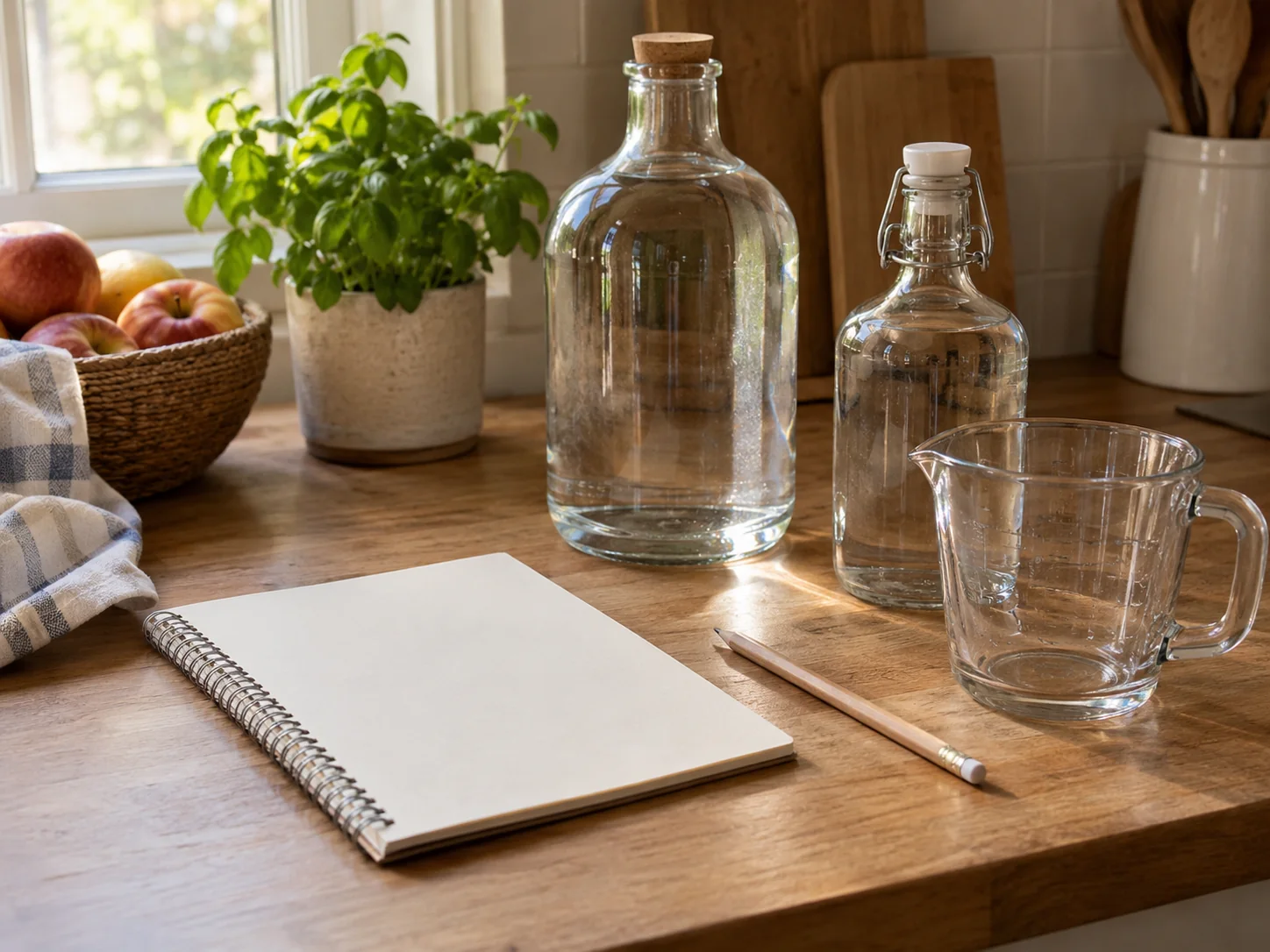
Set aside 20 minutes for this check. It can be done with a notebook and the containers you already have.
- List the people, pets, and essential water uses in your home. Mark which uses require drinking-quality water.
- Count the water you have now. Record whether it is unopened bottled water or home-filled water, and write down container dates.
- Walk the route from storage to the place where water will be used. Check doors, stairs, lifting weight, light, and a clean scoop.
- Write down your utility, local health department, and state health department contact points. Add a note to check for a current boil-water, do-not-drink, well, or service-restoration notice before using tap water during an event.
If the supply does not cover the uses you marked first, choose one small next step. Add a container, move the supply to a safer place, write the date on a label, or make the contact list. A plan becomes more useful when the next action is clear and manageable.
Keep the plan in working order
Review the supply every six months if you fill containers at home. At the same time, check closures, labels, storage temperature, sunlight, nearby chemicals, and access. Check that the clean scoop is still available and that every adult who may help knows the storage locations.
Review the plan when your household changes. A new baby, a new pet, a health condition, a move, a hotter season, a flood risk, or a change in utility service can alter the uses and the amount that make sense. A household plan should reflect the people and conditions in front of you.
Keep current product directions with filters, bleach, containers, and any other treatment supplies. Product labels can specify concentration, contact time, replacement parts, or hazards. Local authority instructions can also change the normal household routine. If a notice says not to drink or not to use tap water, follow that notice until the issuing authority provides an update.
Questions households often ask
These answers cover common starting questions. Current local notices and product directions still control when they apply to a specific situation.
Is one gallon per person per day enough?
CDC presents one gallon per person per day as a starting point for at least three days. It also recommends trying for two weeks if possible and considering extra water for pregnant people, people who are sick, pets, and hot climates. Household uses, storage access, and the event can change the amount you need.
Should I store tap water in any clean container?
Use an FDA-approved food-grade container when filling water at home. If that is not available, CDC says the container should close tightly, be durable and unbreakable, and preferably have a narrow opening. Do not use a container that held toxic chemicals.
Does boiling remove every water hazard?
No. Boiling can kill germs under the current CDC conditions, but boiling or disinfection cannot make water containing harmful chemicals, toxins, or radioactive materials safe. Follow the current local notice and use bottled water or another safe source when those hazards are involved.
How often should home-filled water be replaced?
CDC recommends replacing home-filled water every six months. Label each container with the storage date and keep it in a cool place between 50°F and 70°F, away from sunlight and toxic substances.
What should I do during a local water notice?
Read the current instruction from your utility or local health department. The notice may specify bottled, boiled, or disinfected water, or it may prohibit use of tap water for drinking and other purposes. Follow the notice until the issuing authority provides an update.
A plan that can be checked
Good water planning is a series of household decisions: list the uses, store water where people can reach it, label and maintain the containers, and check the current local instruction when conditions change. Keep the FEMA Ready.gov plan resources and emergency kit resources with your household records for communication, shelter, evacuation, and other needs. The plan is yours to review as people, pets, space, and local conditions change.